Simple Tips For Seniors
How To Prevent Falls And Stay Safe At Home. As we age, staying safe at home becomes increasingly important. I’ve learned that falls are a major concern for older adults like myself. To prevent falls, I focus on keeping my living space clutter-free, using proper lighting, and installing handrails in key areas.
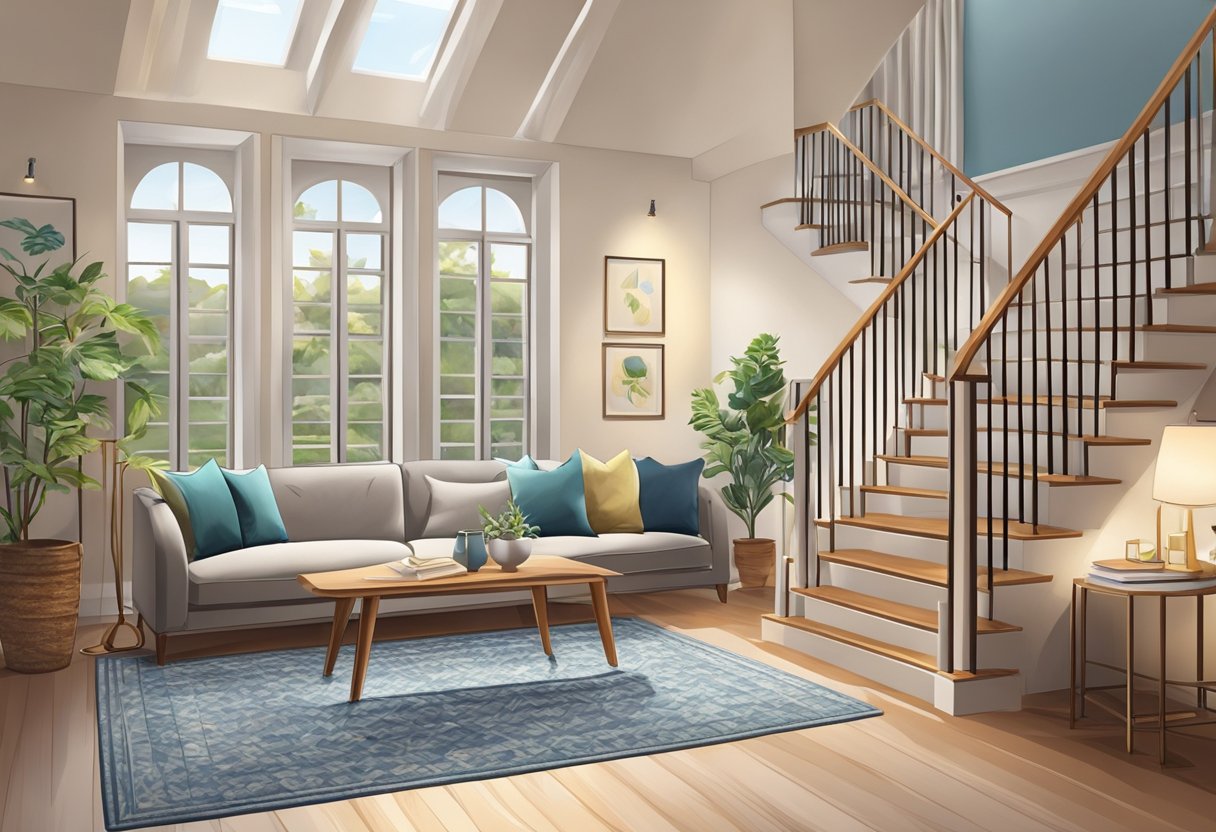
Regular exercise has also helped me maintain my balance and strength. I make sure to wear comfortable, non-slip shoes and use assistive devices when needed. It’s amazing how small changes can make a big difference in fall prevention.
I’ve found that getting my vision and hearing checked regularly is crucial too. These senses play a big role in our balance and spatial awareness. By taking these precautions, I feel more confident moving around my home and enjoy my independence with peace of mind.
Millions Now Make Good Money Who Never Thought They Could
Free Starter Program-Start Now
Join over 2.6 million other members and follow the proven Ultra Simple 4 Step Affiliate System used to sell products online every day!
No Credit Card Required
Understanding the Risks and Consequences of Falls
Falls pose serious dangers for older adults. I’ve seen how they can impact health and independence in significant ways.
Identifying Common Causes in the Home
As I’ve aged, I’ve become more aware of potential fall hazards around my house. Slippery floors, loose rugs, and poor lighting are some of the biggest culprits. I’ve learned to watch out for clutter on the floor and electrical cords that can trip me up.
Stairs can be particularly risky. I make sure to use handrails and take my time. In the bathroom, I’m extra careful around wet surfaces. Reaching for items on high shelves is another danger, so I keep things I use often at waist level.
Medications that cause dizziness increase my fall risk too. I always chat with my doctor about potential side effects of new prescriptions.
Physical and Psychological Effects of Falling
A bad fall can lead to some serious injuries. I worry most about hip fractures – they’re painful and can really limit mobility. Head injuries like concussions are another big concern. Even minor falls can result in bruising or sprains that take a while to heal.
But it’s not just the physical effects that bother me. After a fall, many older adults develop a fear of falling again. This anxiety can lead to decreased activity and social isolation. I’ve seen friends become less confident in their movements, which ironically increases their fall risk.
Falls can also impact independence. Some folks need extra help with daily tasks after a fall, which can be frustrating. In severe cases, a fall might mean moving to assisted living.
Millions Now Make Good Money Who Never Thought They Could
Free Starter Program-Start Now
Join over 2.6 million other members and follow the proven Ultra Simple 4 Step Affiliate System used to sell products online every day!
No Credit Card Required
Strategies for Fall Prevention at Home
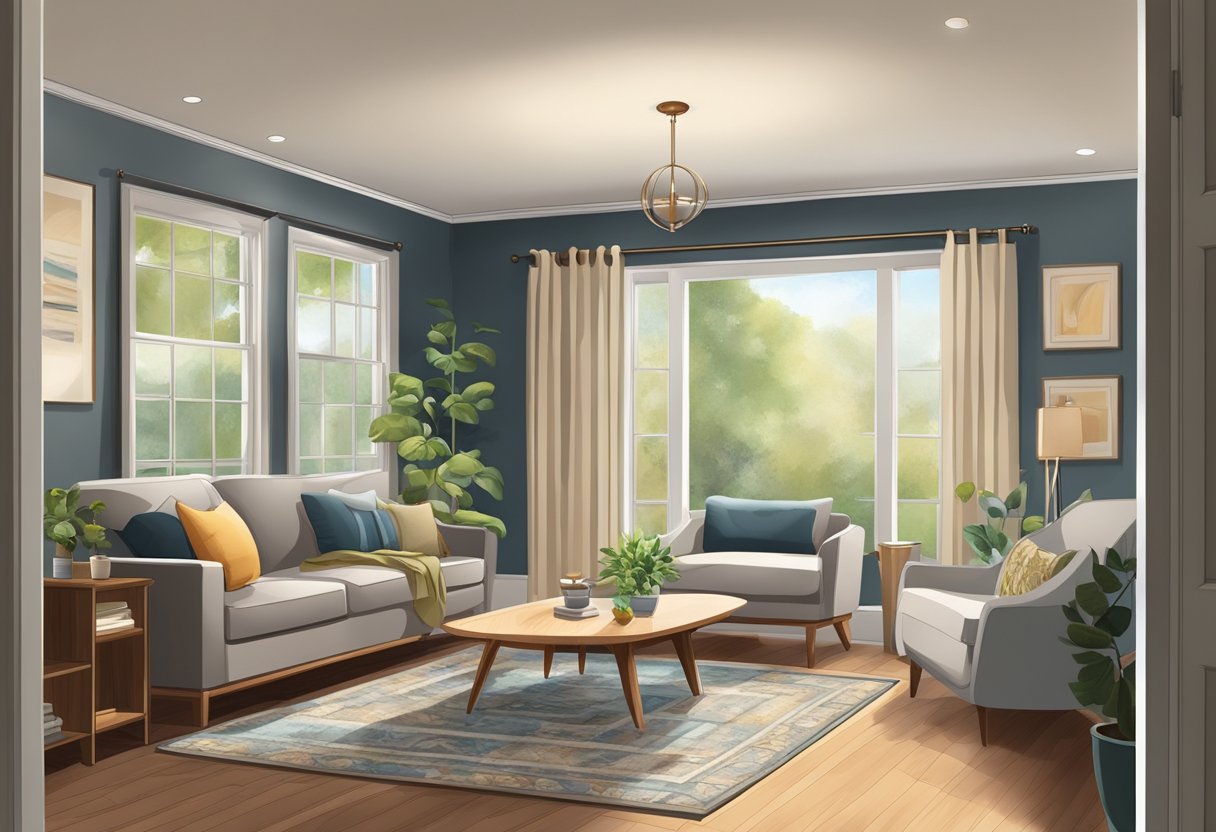
Creating a safer home environment and using the right tools can significantly reduce fall risks as we age. I’ll share some practical adjustments and essential equipment to help keep us steady on our feet.
Home Environment Adjustments
I always start by decluttering my living spaces. Removing unnecessary items from walkways is crucial. I make sure to secure loose cords and wires to prevent tripping.
Good lighting is key. I’ve installed bright bulbs in all rooms and added night lights in hallways and bathrooms. For stairs, I’ve put in sturdy handrails on both sides.
In the bathroom, I’ve added grab bars near the toilet and in the shower. A non-slip bath mat is a must-have too.
I’ve gotten rid of throw rugs or secured them with double-sided tape. For area rugs, I use non-slip pads underneath.
Millions Now Make Good Money Who Never Thought They Could
Free Starter Program-Start Now
Join over 2.6 million other members and follow the proven Ultra Simple 4 Step Affiliate System used to sell products online every day!
No Credit Card Required
Appropriate Footwear and Assistive Devices
I’ve swapped out my slippers for supportive, non-slip shoes. Even indoors, I wear shoes with good traction to prevent slips.
For added stability, I use a cane or walker when needed. These devices provide extra support, especially on uneven surfaces.
I’ve also installed an emergency response system. It gives me peace of mind knowing I can call for help if I do fall.
Regular vision and hearing check-ups are part of my routine now. Clear sight and sound help me stay aware of my surroundings and avoid potential hazards.
Maintaining Health to Prevent Falls
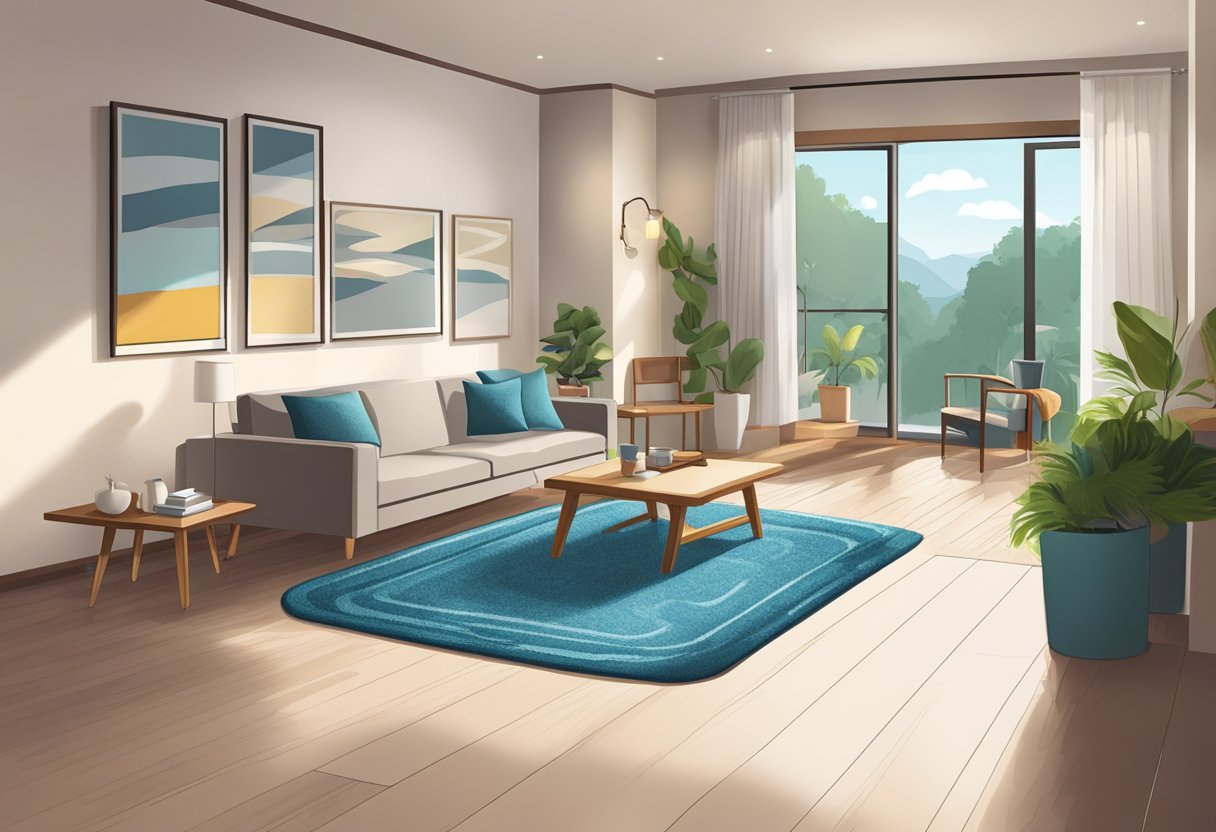
Staying active and managing my health are crucial for avoiding falls as I age. I’ve found some key strategies that have really helped me stay steady on my feet.
Millions Now Make Good Money Who Never Thought They Could
Free Starter Program-Start Now
Join over 2.6 million other members and follow the proven Ultra Simple 4 Step Affiliate System used to sell products online every day!
No Credit Card Required
Exercise, Strength, and Balance Training
I make it a point to exercise regularly, focusing on activities that improve my balance and strength. Walking is my go-to for staying active, but I’ve also taken up tai chi classes at my local community center. It’s amazing how much it’s improved my stability!
I’ve started incorporating simple balance exercises into my daily routine. Standing on one foot while I brush my teeth or doing heel-to-toe walks across my living room have made a big difference. The CDC’s STEADI program has some great resources for fall prevention exercises.
Strength training is another crucial part of my routine. I use light weights and resistance bands to keep my muscles strong. It’s helped me maintain my independence and makes everyday tasks much easier.
Medication Management and Regular Check-Ups
I’ve learned that some medications can increase my risk of falling, so I’m extra careful with my prescriptions. I keep an updated list of all my meds and review it with my doctor at every visit. We’ve adjusted some dosages to reduce side effects that were affecting my balance.
Regular check-ups are a must. I see my eye doctor annually to make sure my vision prescription is up-to-date. My hearing gets tested too, as poor hearing can throw off my balance.
I’ve talked to my doctor about vitamin D supplements. They’ve helped strengthen my bones and improve my muscle function. We also discuss any issues with memory or reflexes, as these can impact my stability.
Practical Tips for Caregivers and Older Adults
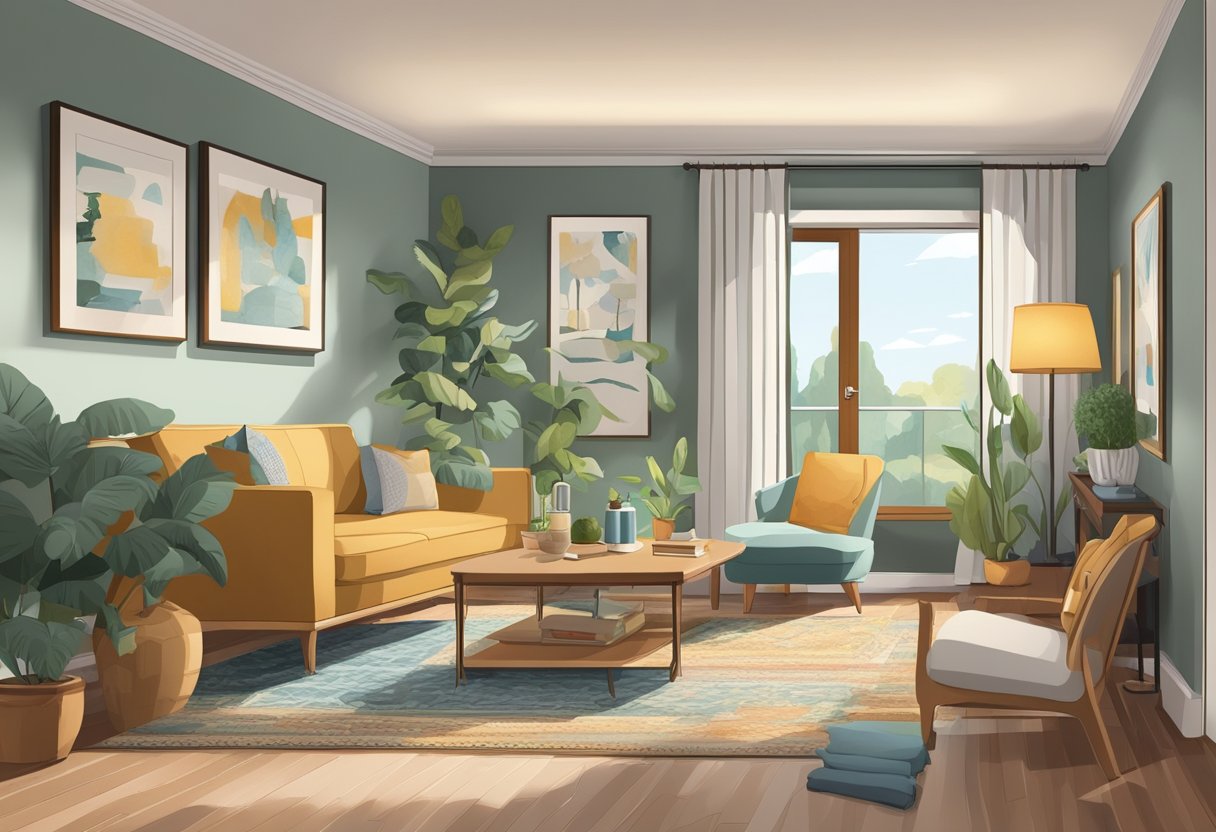
I’ve learned some key strategies to help older adults stay safe and independent at home. These focus on creating a secure environment and building a network of support.
Creating a Safe Living Space
I always start by removing tripping hazards like loose rugs and clutter from walkways. Good lighting is crucial, so I install bright bulbs and nightlights. In the bathroom, I add grab bars near the toilet and in the shower. Non-slip mats are a must for wet areas.
I make sure frequently used items are within easy reach. Rearranging furniture can create clear paths for walking. For stairs, I add handrails on both sides and ensure each step is clearly visible.
I encourage older adults to wear sturdy, non-slip shoes indoors. Vision checks are important too – poor eyesight increases fall risk. I also review medications with their doctor, as some can cause dizziness.
Millions Now Make Good Money Who Never Thought They Could
Free Starter Program-Start Now
Join over 2.6 million other members and follow the proven Ultra Simple 4 Step Affiliate System used to sell products online every day!
No Credit Card Required
Building a Supportive Community
I help set up a personal emergency response system for quick help if a fall occurs. Regular check-ins with neighbors, friends, or family members provide an extra safety net.
I encourage older adults to stay active through gentle exercises like tai chi, which improves balance. Local senior centers often offer great programs for this.
I connect them with an occupational therapist who can assess their home and suggest personalized safety improvements. Home health aides can assist with daily tasks that might be risky.
I also help arrange transportation services if driving becomes unsafe. Maintaining social connections is vital for overall well-being and can reduce fall risks associated with isolation.